Overview of EV Conversions
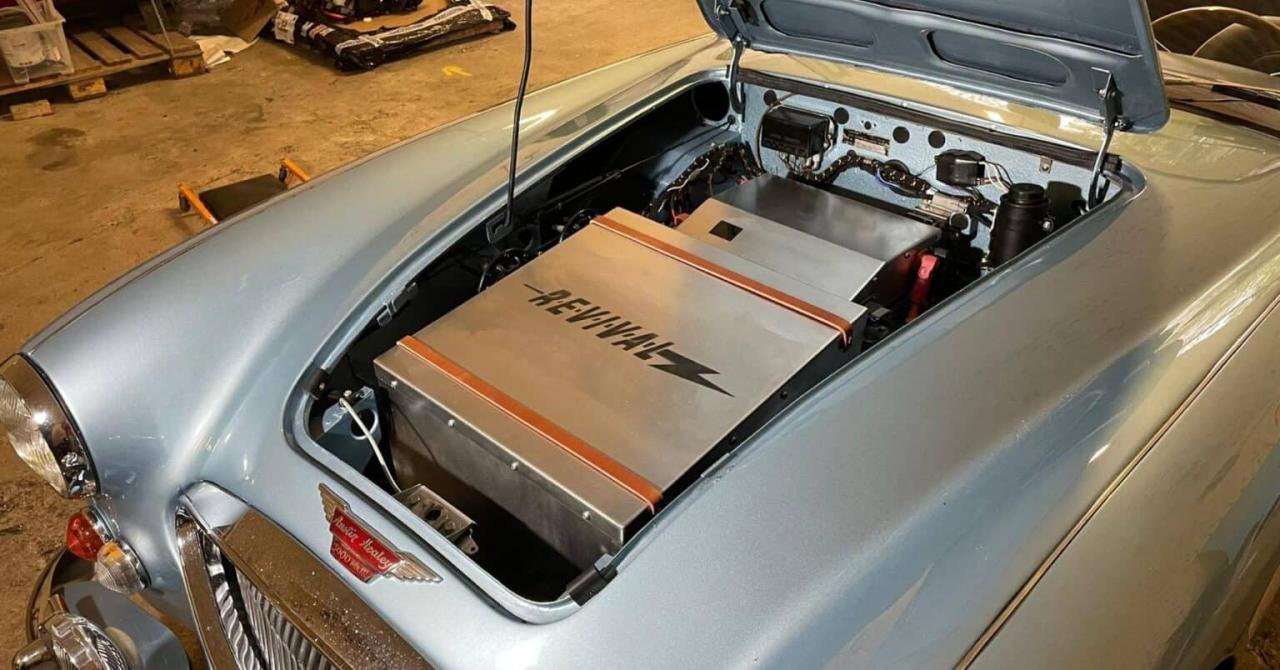
Electric Vehicle (EV) conversions involve transforming classic sports cars powered by internal combustion engines into environmentally-friendly electric powerhouses. This process typically includes replacing the traditional engine with an electric motor, installing a battery pack, and integrating the necessary control systems to ensure optimal performance.
Rising Trend of EV Conversions
The automotive industry has witnessed a significant rise in the trend of EV conversions in recent years. With the increasing focus on sustainability and the shift towards cleaner transportation options, more enthusiasts and companies are opting to convert classic cars into electric vehicles.
This trend is driven by the desire to preserve iconic vehicles while reducing greenhouse gas emissions and dependence on fossil fuels.
Benefits of Converting Classic Cars into Electric Powerhouses
- Environmental Impact: Converting classic cars into electric powerhouses helps reduce carbon emissions and contributes to a cleaner environment.
- Performance Enhancement: Electric motors offer instant torque, providing a significant boost in acceleration and overall performance compared to traditional engines.
- Efficiency and Maintenance: Electric vehicles have fewer moving parts, resulting in lower maintenance costs and increased reliability over time.
- Preservation of Classic Cars: EV conversions allow classic sports cars to be modernized with sustainable technology while preserving their historical value and iconic status.
Cost Factors in EV Conversions
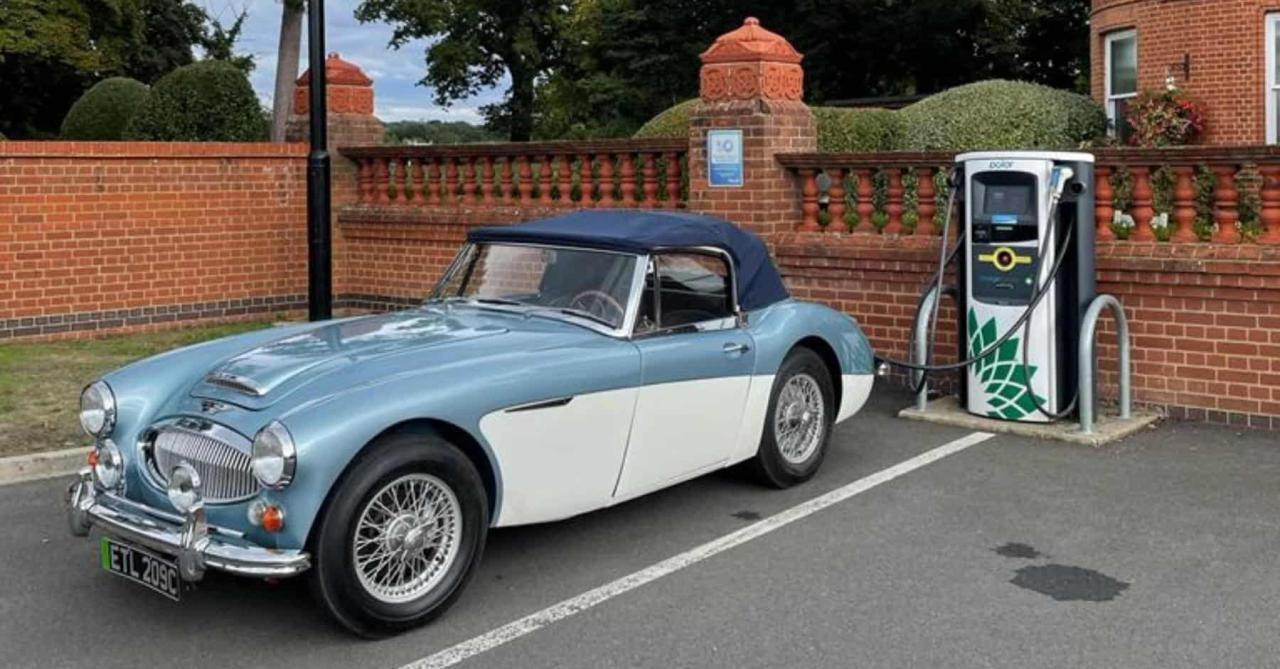
Electric Vehicle (EV) conversions of classic sports cars involve various components and technologies that significantly impact the overall cost of the conversion. This process requires replacing the traditional internal combustion engine with an electric motor, installing a battery pack, upgrading the cooling system, modifying the chassis, and integrating advanced electronics for optimal performance.
Components and Technologies Involved
- Electric Motor: The heart of the conversion, providing the necessary power to drive the vehicle.
- Battery Pack: Stores the energy required to power the electric motor and drive the car.
- Cooling System: Essential for maintaining optimal temperature levels in the electric components.
- Chassis Modifications: Ensuring structural integrity and weight distribution suitable for an electric drivetrain.
- Advanced Electronics: Control systems, sensors, and software for efficient operation and performance monitoring.
Cost Difference between Traditional Engine Restoration and EV Conversions
- Traditional Engine Restoration: Restoring a classic car's internal combustion engine can be costly due to the need for specialized parts, labor, and ongoing maintenance.
- EV Conversions: While initially expensive, EV conversions offer long-term savings on fuel costs and maintenance, making them a more sustainable option in the long run.
Impact of Advancements in EV Technology on Conversion Costs
- Advancements in EV technology, such as improved battery efficiency and power output, have made EV conversions more cost-effective and practical.
- Decreasing costs of electric components and increasing availability of conversion kits have also contributed to reducing the overall cost of converting classic sports cars into electric powerhouses.
Challenges Faced in EV Conversions
Electric vehicle conversions present a unique set of challenges for enthusiasts and professionals alike. From technical hurdles to regulatory roadblocks, the process of turning classic sports cars into electric powerhouses is not without its difficulties.
Regulatory Influence on Cost and Feasibility
Regulations and policies play a significant role in determining the cost and feasibility of EV conversions. Factors such as emissions standards, safety requirements, and registration processes can greatly impact the overall expenses and practicality of converting a classic car to electric power.
Navigating these regulations can be time-consuming and costly, adding an extra layer of complexity to the conversion process.
Technical and Logistical Hurdles
Converting a classic sports car into an electric powerhouse requires overcoming various technical and logistical challenges. Issues such as finding compatible electric components, ensuring proper battery placement, and integrating new systems with existing structures can be daunting tasks. Additionally, the weight distribution and handling characteristics of the vehicle may need to be carefully recalibrated to accommodate the new powertrain.
Overcoming these hurdles often requires a combination of expertise, creativity, and problem-solving skills to successfully execute the conversion process.
Environmental Impact of EV Conversions
Converting classic sports cars into electric vehicles (EVs) can have a significant positive impact on the environment by reducing carbon emissions and promoting sustainability in the automotive sector.
Reduction in Carbon Footprint
When classic sports cars are converted into EVs, the carbon footprint associated with driving these vehicles is greatly reduced. Electric powerhouses produce zero tailpipe emissions, leading to a significant decrease in greenhouse gas emissions compared to traditional gasoline-powered vehicles. This reduction in carbon footprint contributes to a cleaner and healthier environment.
Promoting Sustainability and Emission Reduction
The role of EV conversions in promoting sustainability cannot be overstated. By converting classic sports cars into electric powerhouses, individuals are able to extend the lifespan of these vehicles and reduce the need for new car production. This helps in conserving resources and reducing the environmental impact of manufacturing new vehicles.
Additionally, the shift towards electric vehicles helps in reducing overall emissions in the automotive sector, contributing to a greener future for all.
Quick FAQs
What are the common challenges faced in EV conversions?
Common challenges include sourcing compatible components, dealing with technical complexities, and navigating regulatory requirements.
How do advancements in EV technology affect conversion costs?
Advancements can either increase or decrease costs, depending on the availability and pricing of new technologies in the market.
What environmental benefits come with converting classic sports cars into EVs?
Converting to EVs reduces carbon emissions, promotes sustainability, and contributes to a cleaner environment.