Understanding 2026 EV Tax Credits

Electric Vehicle (EV) tax credits are incentives offered by the government to encourage the adoption of electric vehicles. These credits can help offset the cost of purchasing an EV and make them more affordable for consumers.
The significance of 2026 in relation to EV tax credits lies in the changes that are set to take place that year. In 2026, the federal government plans to phase out the tax credits for EVs, which means that the incentives available to buyers will decrease over time.
Impact on Purchase of New Electric Vehicles
EV tax credits can have a significant impact on the purchase of new electric vehicles. Here are a few key points to consider:
- EV tax credits can lower the upfront cost of buying an electric vehicle, making them more competitive with traditional gas-powered cars.
- Consumers who take advantage of EV tax credits can save thousands of dollars on their purchase, depending on the eligibility criteria and the amount of the credit.
- As the tax credits phase out in 2026, buyers may need to act quickly to maximize their savings on new electric vehicles before the incentives are reduced or eliminated.
Eligibility Criteria for EV Tax Credits
In order to claim EV tax credits, individuals must meet specific eligibility criteria set by the government. These criteria ensure that only qualifying individuals and vehicles receive the tax benefits.To qualify for EV tax credits, individuals must meet the following requirements:
Individual Eligibility
- Individual must be the owner of the electric vehicle.
- Individual must have purchased or leased the vehicle for personal use, not for resale.
- Individual must have a valid Social Security number.
- Individual must have a tax liability to claim the credit.
Vehicle Requirements
- The electric vehicle must be new and purchased in or after the year for which the tax credit is claimed.
- The vehicle must be propelled by an electric motor drawing electricity from a battery that has a capacity of at least 4 kilowatt hours.
- The vehicle must be used primarily in the United States.
Income Limits
It is important to note that there are income limits associated with claiming EV tax credits. Individuals with higher incomes may not be eligible for the full credit or may not qualify at all. It is advisable to check the current income limits set by the IRS before claiming the tax credit.
Maximizing Savings on New Electric Vehicles
When it comes to maximizing savings on new electric vehicles, taking full advantage of EV tax credits can significantly reduce the overall cost of your purchase. Here are some tips on how to make the most out of these savings:
Comparing Potential Savings
- Calculate the total cost of the electric vehicle you are interested in, both with and without the tax credits applied.
- Look into the maximum tax credit amount available for the specific EV model you are considering.
- Compare the final price you would pay after applying the tax credit to see the difference in savings.
Optimizing Tax Credit Use
- Understand the eligibility criteria for EV tax credits to ensure you qualify for the maximum amount.
- Consider the timing of your purchase to make the most of any available tax credits before they expire.
- Explore any additional incentives or rebates offered at the state or local level to further reduce your costs.
Impact of EV Tax Credits on Consumer Behavior
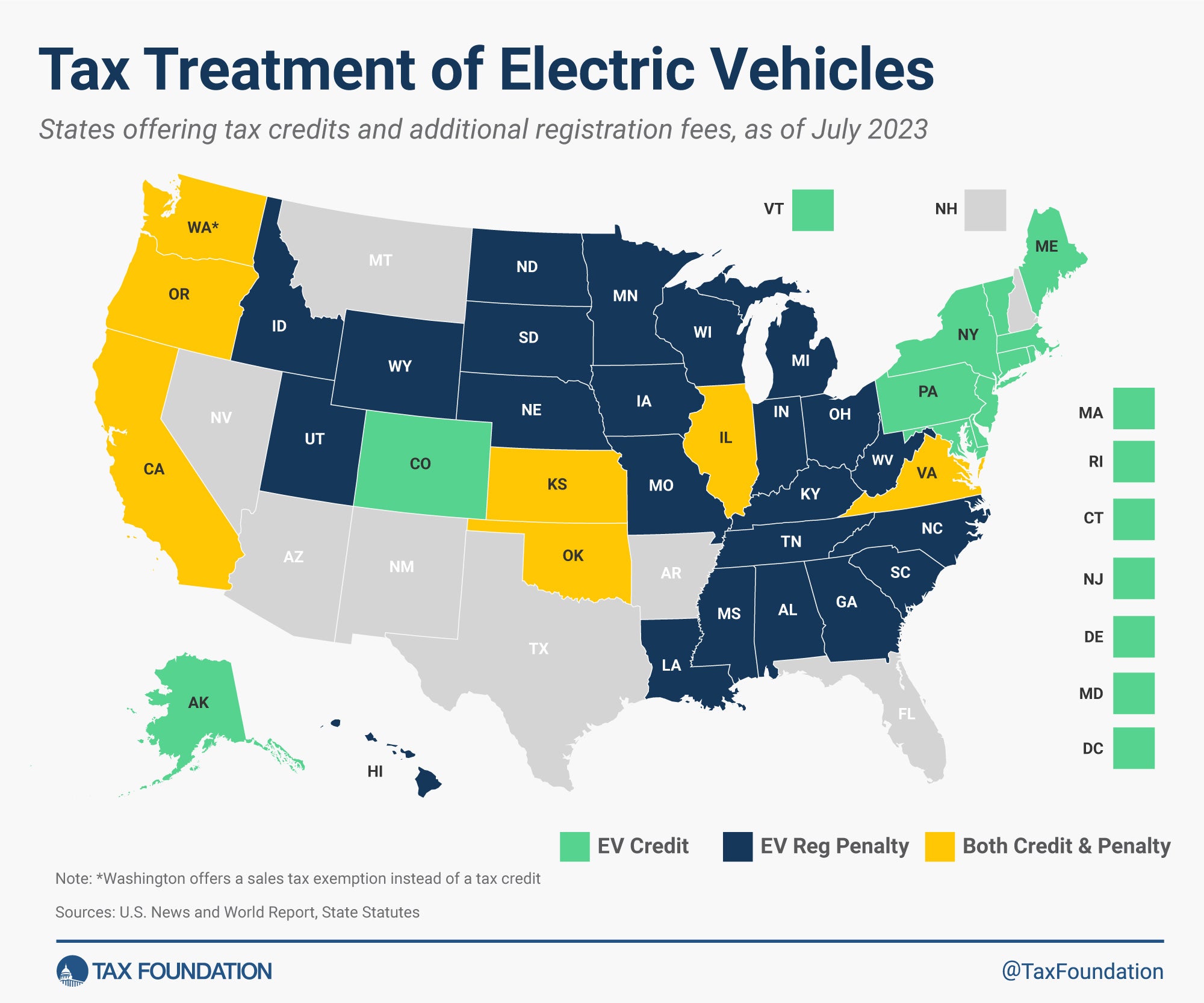
Electric Vehicle (EV) tax credits play a significant role in influencing consumer behavior when it comes to purchasing electric vehicles. These incentives can have a direct impact on the decision-making process of potential buyers.
Relationship Between Tax Incentives and EV Adoption
EV tax credits serve as a powerful motivator for consumers to choose electric vehicles over traditional gas-powered cars. By providing financial incentives, the government encourages individuals to opt for more environmentally friendly transportation options.
- Tax credits can make EVs more affordable for a wider range of consumers, ultimately increasing the adoption rate of electric vehicles.
- Consumers are more likely to consider purchasing an EV when they can benefit from tax savings, making it a more attractive option compared to conventional vehicles.
- The availability of tax credits can help shift consumer preferences towards sustainable transportation choices, leading to a greener and cleaner environment.
Potential Changes in Consumer Behavior
With the availability of tax credits for electric vehicles, we can expect to see several changes in consumer behavior that can positively impact the environment and the economy.
- Increased awareness and education about the benefits of EV tax credits can lead to a higher demand for electric vehicles in the market.
- Consumers may prioritize purchasing an EV over a traditional vehicle to take advantage of tax incentives and long-term savings on fuel and maintenance costs.
- The growing popularity of EVs due to tax credits can drive innovation in the automotive industry, encouraging manufacturers to produce more electric vehicles with advanced features and technology.
FAQ Section
What are the eligibility criteria for claiming EV tax credits?
Individuals need to meet specific requirements such as income limits to qualify for EV tax credits. Vehicles must also meet certain criteria to be eligible for these credits.
How do EV tax credits impact consumer behavior?
EV tax credits can influence consumer decisions to purchase electric vehicles and contribute to the adoption of EVs. The availability of tax credits can lead to changes in consumer behavior.
What strategies can be used to maximize savings through EV tax credits?
To maximize savings, individuals can utilize tax credits effectively by understanding the eligibility criteria and optimizing the use of these credits during the purchase of new electric vehicles.