Overview of Exhaust Modification Laws in the US and Australia
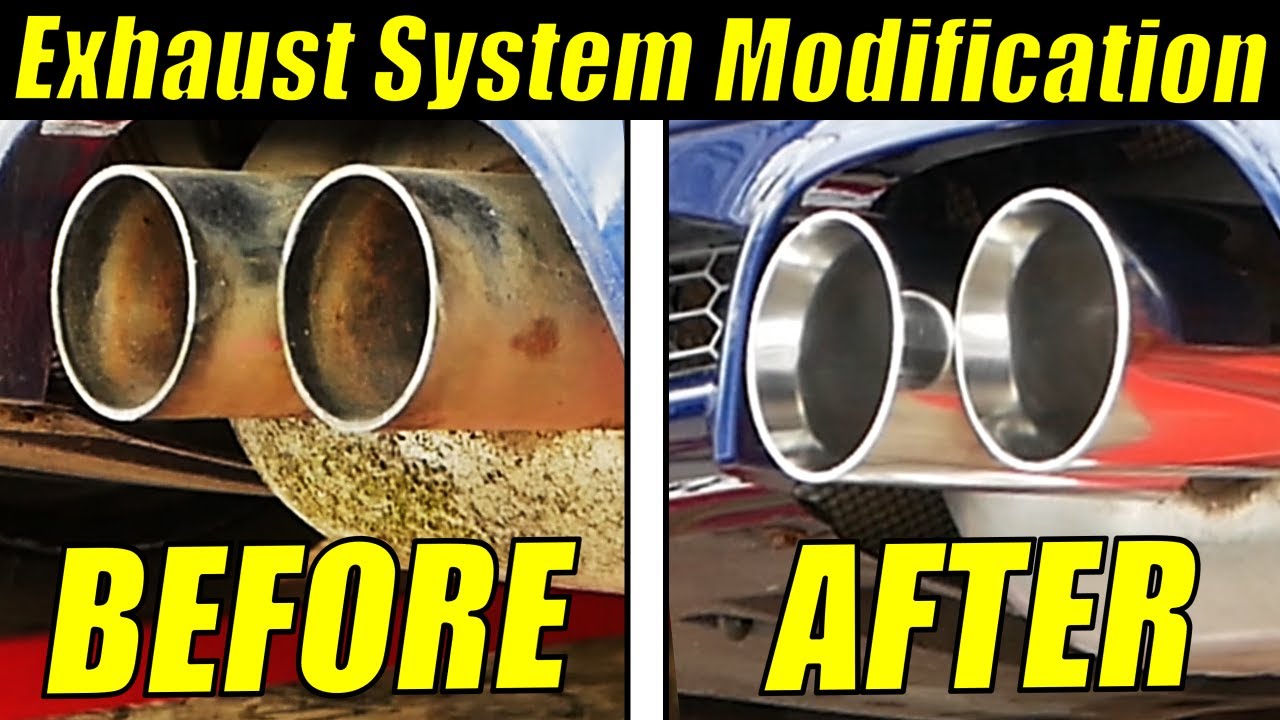
Exhaust modification laws in the US and Australia aim to regulate the noise levels and emissions produced by vehicles on the road. These laws are put in place to ensure environmental protection and public safety.
Existing Laws
In the United States, the Environmental Protection Agency (EPA) sets federal regulations regarding vehicle emissions, including exhaust systems. Each state also has its own laws on exhaust modifications, with some states being more lenient than others.In Australia, the Department of Infrastructure, Transport, Regional Development and Communications oversees vehicle standards, including exhaust modifications.
The Australian Design Rules (ADRs) Artikel the requirements for vehicle exhaust systems.
Key Differences
One key difference between the US and Australia is the level of enforcement and strictness of regulations. While both countries have laws governing exhaust modifications, Australia tends to have stricter enforcement and penalties for non-compliance.Another difference is the specific requirements Artikeld in the regulations.
For example, the US may have noise level limits for exhaust systems, while Australia may focus more on emissions standards.
Consequences of Non-Compliance
Non-compliance with exhaust modification laws can result in fines, vehicle impoundment, and even license suspension in both the US and Australia. Additionally, vehicles that do not meet the legal standards may fail inspections or be deemed unfit for road use.It is essential for vehicle owners to be aware of and comply with the exhaust modification laws in their respective countries to avoid legal consequences and ensure the safety and environmental well-being of all road users.
Understanding the Legalities of Exhaust Tuning
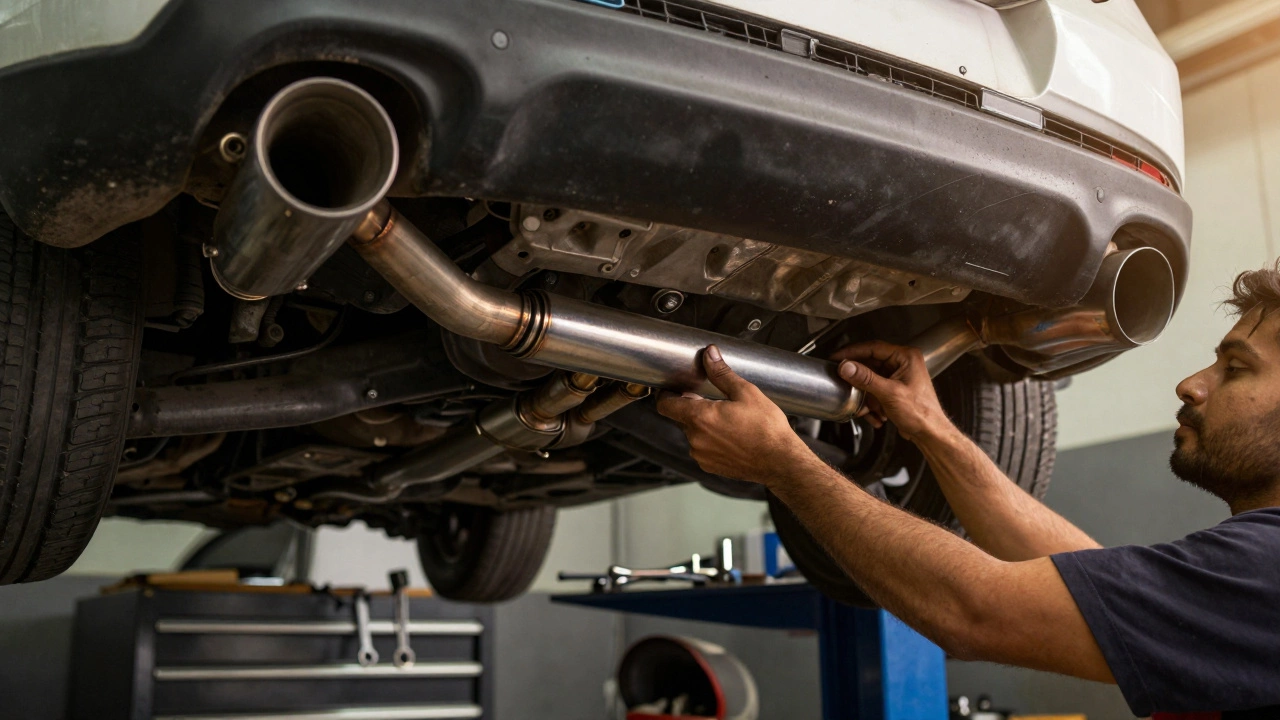
When it comes to modifying or tuning your vehicle's exhaust system, it's crucial to understand the legalities surrounding these changes to ensure compliance with the law.
What Constitutes Exhaust Modification/Tuning
Exhaust modification or tuning refers to any changes made to the original exhaust system of a vehicle, including alterations to the exhaust pipes, mufflers, catalytic converters, or other components that affect the emissions and noise levels produced by the vehicle.
List of Specific Restrictions in the Laws
- Restrictions on noise levels: Laws in both the US and Australia typically specify maximum decibel levels that a vehicle's exhaust system cannot exceed.
- Catalytic converter removal: Many jurisdictions prohibit the removal of catalytic converters, as these devices are essential for reducing harmful emissions.
- Exhaust pipe modifications: Some laws restrict the diameter or length of exhaust pipes that can be used, as larger or shorter pipes can impact emissions and noise levels.
- Exhaust system bypass: Bypassing parts of the exhaust system, such as mufflers or resonators, is often illegal as it can lead to increased noise and emissions.
Examples of Legal vs. Illegal Modifications
| Legal | Illegal |
|---|---|
| Installing a performance muffler that meets noise level regulations. | Removing the muffler entirely for a louder exhaust sound. |
| Upgrading to a high-flow catalytic converter that still effectively reduces emissions. | Removing the catalytic converter to enhance engine performance without regard for emissions. |
Impact on Emissions and Environmental Regulations
Exhaust modifications can have a significant impact on emissions standards and environmental regulations. By altering the exhaust system of a vehicle, the amount of harmful pollutants released into the atmosphere can be increased, leading to a rise in emissions levels that may exceed legal limits set by regulatory authorities.
This can result in a negative impact on air quality and contribute to environmental degradation.
Effect on Emissions Standards
Exhaust modifications, such as installing aftermarket exhaust systems or removing catalytic converters, can lead to an increase in emissions of pollutants such as carbon monoxide, nitrogen oxides, and hydrocarbons. These higher emission levels can cause a vehicle to fail emissions tests required for registration or lead to violations of state or federal emissions standards.
As a result, vehicles with modified exhaust systems may face fines or even be prohibited from being driven on public roads.
- Aftermarket exhaust systems can alter the flow of exhaust gases, leading to an imbalance in the air-fuel mixture and incomplete combustion, resulting in higher emissions.
- Removing or tampering with catalytic converters, which are designed to reduce harmful emissions, can significantly increase pollutant levels in the exhaust gases.
- Increased emissions from modified exhaust systems can contribute to smog formation, acid rain, and other environmental issues.
Environmental Impact of Altered Exhaust Systems
Altered exhaust systems can have a direct impact on the environment by releasing higher levels of pollutants into the air. These pollutants can contribute to air pollution, which can have detrimental effects on human health, ecosystems, and wildlife. In addition, increased emissions from modified exhaust systems can exacerbate climate change by releasing greenhouse gases into the atmosphere.
- Higher levels of pollutants emitted from modified exhaust systems can lead to respiratory problems, cardiovascular diseases, and other health issues in humans.
- Acid rain, smog formation, and ozone depletion are among the environmental consequences of increased emissions from altered exhaust systems.
- Greenhouse gas emissions from modified exhaust systems can contribute to global warming and climate change, impacting weather patterns and ecosystems worldwide.
Correlation Between Emissions and Legal Restrictions
There is a direct correlation between vehicle emissions and legal restrictions imposed by regulatory authorities to protect air quality and public health. Emissions standards are set to limit the amount of harmful pollutants that vehicles can release into the atmosphere, ensuring compliance with environmental regulations and reducing the impact of transportation on the environment.
- Legal restrictions on emissions aim to control pollution levels, improve air quality, and mitigate the adverse effects of vehicle emissions on human health and the environment.
- Regulatory authorities enforce emissions standards through emissions testing, vehicle inspections, and penalties for non-compliance, including fines and restrictions on driving privileges.
- By adhering to emissions regulations and avoiding modifications that increase emissions, vehicle owners can contribute to environmental conservation and sustainability efforts.
Safety and Performance Considerations
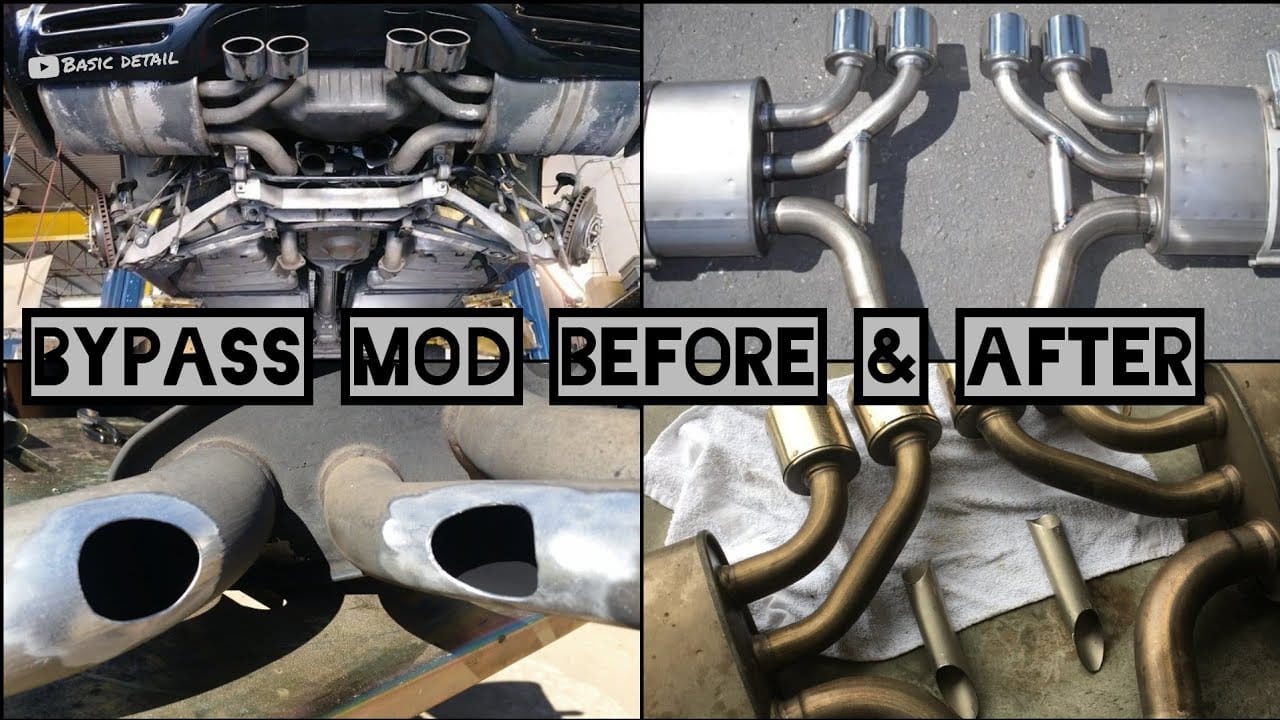
When it comes to modifying exhaust systems, it's crucial to consider both safety and performance implications. These modifications can have a significant impact on how your vehicle operates and its overall safety on the road.
Impact on Vehicle Safety
- Modified exhaust systems can alter the back pressure in the engine, potentially affecting the overall performance of the vehicle.
- Changes to the exhaust system may result in louder engine noise, which can distract the driver or other road users.
- In some cases, modifications could lead to overheating or other mechanical issues if not properly installed or maintained.
Performance Benefits and Drawbacks
- Performance benefits of exhaust tuning include improved engine efficiency, increased horsepower, and better throttle response.
- Drawbacks may include reduced fuel economy, increased emissions, and potential damage to engine components if not tuned correctly.
Balancing Safety, Performance, and Legal Compliance
- It's essential to strike a balance between safety, performance, and legal compliance when modifying exhaust systems.
- Consulting with a professional tuner or mechanic can help ensure that modifications are done correctly and safely.
- Understanding and following local laws and regulations regarding exhaust modifications is crucial to avoid fines or penalties.
Enforcement and Penalties
In order to maintain compliance with exhaust modification laws, authorities in both the US and Australia have implemented various measures to enforce these regulations. This includes regular vehicle inspections, emissions testing, and crackdowns on illegal modifications.
Enforcement Methods
- Random roadside checks: Authorities conduct random inspections to check for illegal exhaust modifications.
- Emissions testing: Vehicles may undergo emissions testing to ensure they meet the required standards.
- Traffic stops: Officers may pull over vehicles suspected of having non-compliant exhaust systems.
Penalties for Violations
- Monetary fines: Individuals caught violating exhaust modification laws may face fines ranging from hundreds to thousands of dollars.
- Vehicle impoundment: In severe cases, authorities may impound the vehicle until the modifications are rectified.
- License suspension: Repeat offenders may have their driver's license suspended or revoked.
Real-life Examples
One notable case in California involved a driver who received a hefty fine for installing a modified exhaust system that exceeded the legal noise limit. The vehicle was impounded until the exhaust was replaced with a compliant system.
Key Questions Answered
What are the consequences of non-compliance with these laws?
Non-compliance can lead to fines, vehicle impoundment, or even legal action, depending on the severity of the violation.
What constitutes exhaust modification/tuning?
Exhaust modification involves altering the exhaust system to enhance performance or create a specific sound.
How do authorities enforce exhaust modification laws?
Authorities may conduct roadside checks, emissions testing, or vehicle inspections to ensure compliance.